



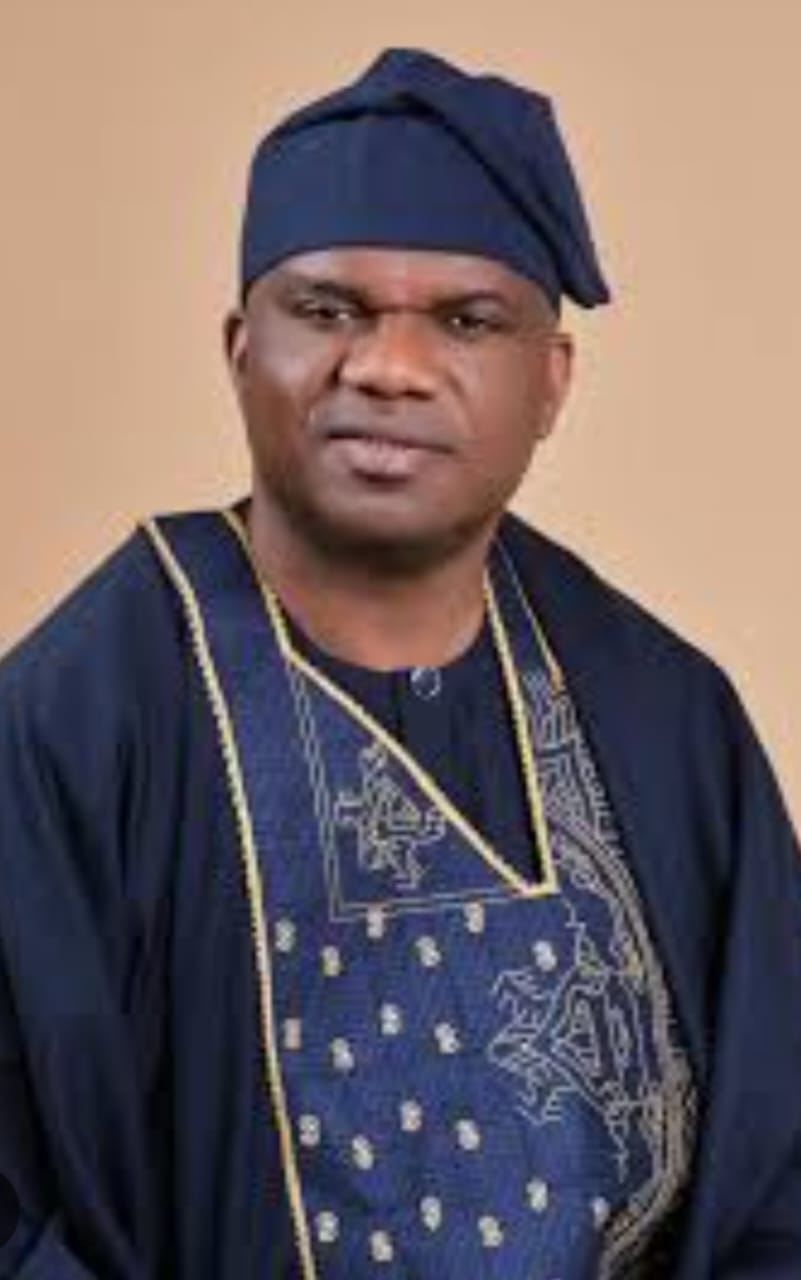
‘While there are some genuine operators within the Free Trade Zones (FTZs), the majority have abused the system and are destroying the businesses of manufacturers operating in the customs territory and by extension, undermining Nigeria’s economy.’
Siaka MOMOH
The Basic Metals, Iron and Steel Manufacturers Group of the Manufacturers Association of Nigeria has raised an alarm on the untoward activities of some operators in Free Trade Zones across the Country to the detriment of local Manufacturers in particular and the Nigerian economy in general.
Chairman of the Group, Prince Lekan Adewoye, who raised the alarm, in a chat with Journalists in Abuja, asserted that the Basic Metals, Iron and Steel sector is the backbone of any nation’s industrial development, stressing that the sector has meaningfully supported the Tinubu administration’s economic diversification and industrialization goals through import substitution and value addition, employment generation and MSME development, industrial integration as well as local production, in spite of daunting challenges.
These challenges according to him, include high cost of borrowing and energy cost, smuggling, substandard products, inconsistent policy and infrastructural deficits
Prince Adewoye lamented that the untoward activities of some operators in the Free Trade Zones compounds the various challenges being faced by the sector. He said “while there are some genuine operators within the Free Trade Zones (FTZs), the majority have abused the system and are destroying the businesses of manufacturers operating in the customs territory and by extension, undermining Nigeria’s economy”.
He alleged that they exploit loopholes in the FTZ process to import finished or semi-finished goods under the guise of raw materials, selling them locally at unfairly low prices and undermining genuine local manufacturers and called on the Government to act swiftly to restore sanity in FTZ operations before local industries are driven into extinction.
The MAN Sectoral Chairman said “many companies within our FTZs today do not export anything. Instead, they import finished or semi-finished products, often substandard ones like roofing sheets, galvanized iron, and aluminium products, then sell them directly into the customs territory in violation of the policy intent”.
He alluded to a foreign company recently operating in Calabar FTZ that imported about 6,000 metric tons of wire coil—a key raw material used for manufacturing products such as nails, welded mesh, BRC, and binding wire—at a declared CIF value of just $67,000, which translates to about $11 per metric ton recently, while the global market price for wire coil, as traded on the London Metal Exchange (LME), is around $500 per metric ton.
This according to him represent flagrant under-invoicing of raw materials destined for Calabar FTZ. “What makes it even more damaging is that FTZ operators already enjoy zero import duty on all inputs, while legitimate manufacturers in the customs territory pay as much as 25% duty on the same materials creating an unfair and unsustainable competitive imbalance, he said”.
On what is required to assure the quality of exports out of the FTZs into the Nigerian Customs territory, Prince Adewoye advocated similar regulations as obtained in all exports into Nigeria globally from the countries of origin.
He then called for the comprehensive audit of all FTZs operations, especially in the metals and steel segment in the past 10 years, recovery of lost government revenue and prosecution of offenders engaged in under-invoicing or diversion of imports.
Other measures suggested by the MAN Sectoral group include the establishment of a special task force comprising representatives from the Basic Metal, Iron & Steel Manufacturers Group, MAN, Customs, NEPZA and the Ministry of Industry, Trade and Investment to monitor and sanitize FTZs operations to restore fairness and competitiveness in the sector.
Commenting on the issue, the Executive Secretary of the Nigeria Economic Zones Association, Toyin Elegbede, assured that the association would not support any form of sabotage by its member organisations, stressing that NEZA’s focus is towards the realization of the objectives for which the FTZs were created.
According to him, the Standards Organisation of Nigeria (SON) is now represented at the FTZs to inspect, certify and issue certificates of conformity for all goods being sold to the Customs territory.
On enquiry from SON, Engr. Enebi Onucheyo, the Director, Product Certification confirmed that the agency has since 2024 developed a scheme “Special Economic Zones Conformity Assessment Programme (SEZCAP), for the certification of goods into and out of the free trade zones to the Customs territory and has recently commenced its deployment.
The scheme he said, is an initiative to enhance the production, importation, sales, and distribution of quality and safe manufactured products in the special economic zones into Nigeria and those to be exported to others parts of the world.
Engr. Onucheyo stated that the SEZCAP is being implemented through SON State Offices having jurisdiction over the FTZs across the country.

