



Hormuz Shock: Why a Global Oil Crisis Could Be Both Boom and Burden for Nigeria
As tensions continue to hover around one of the world’s most critical oil transit routes, the Strait of Hormuz, the implications of any disruption stretch far beyond the Middle East. For Nigeria, Africa’s largest oil producer, such a crisis presents a paradox—one that could simultaneously boost government revenues while deepening economic hardship at home.
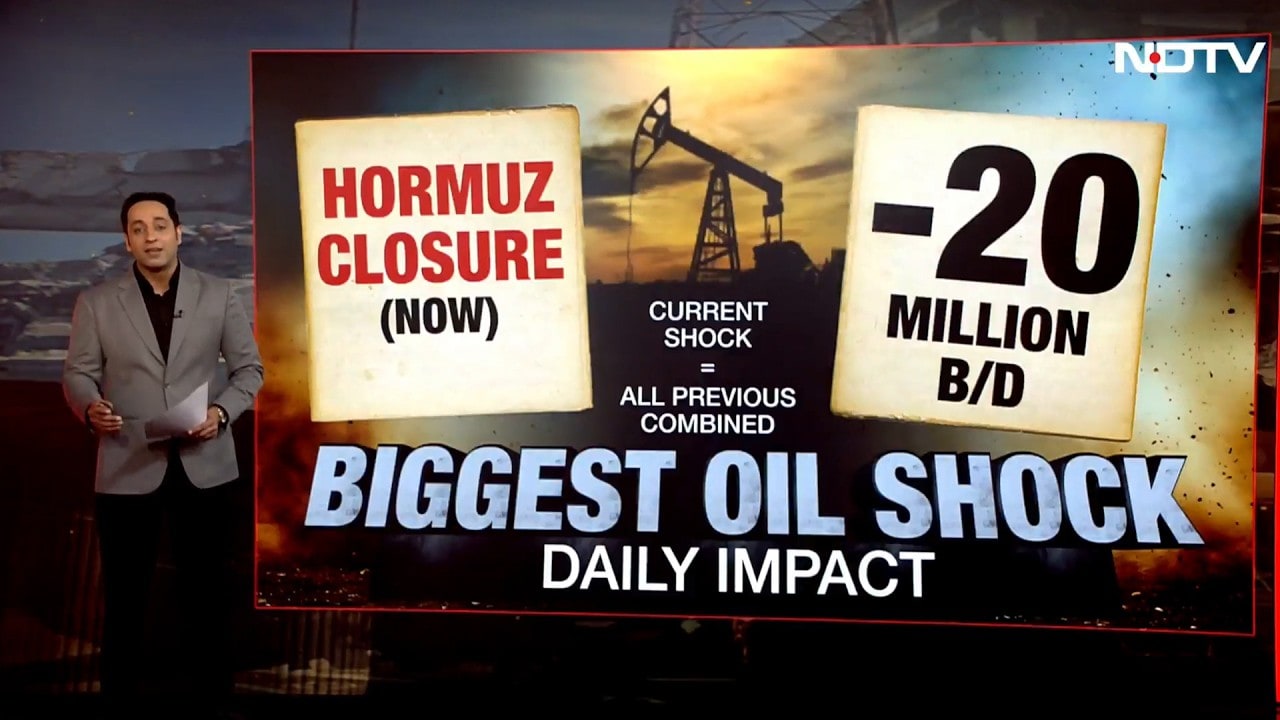
Roughly a fifth of global oil supply passes through the narrow waterway. Any blockage—whether partial or prolonged—would send immediate shockwaves through global energy markets, driving crude prices sharply higher. For Nigeria, this would initially appear as a windfall.
Higher oil prices translate directly into increased earnings for the government, improved foreign exchange inflows, and stronger external reserves. At a time when fiscal pressures remain significant, such a surge could provide temporary relief and even strengthen the naira.
However, this upside masks deeper vulnerabilities within Nigeria’s economic structure.
Despite being a major crude producer, Nigeria remains heavily exposed to global fuel price dynamics. Domestic petrol prices are still largely influenced by international crude benchmarks, and the country continues to rely—albeit less than before—on refined fuel imports. Even with expanding local refining capacity, price transmission from global markets remains unavoidable. As oil prices climb, so too would the cost of petrol, diesel, and transportation. This would quickly feed into broader inflation, raising the prices of food, goods, and services across the economy. For households already grappling with high living costs, the impact could be severe.

