



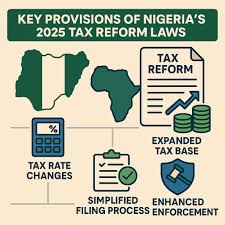
The text presents Nigeria’s 2025 tax reforms as a consciously progressive fiscal intervention aimed at reducing inequality, protecting vulnerable populations, and broadening the tax base. Its central argument is that the reforms prioritize social equity while attempting to modernize revenue collection. The analysis can be understood through three key dimensions: policy intent, protective mechanisms, and structural risks.
Policy Intent and Framing
The reforms are framed as redistributive, shifting the tax burden away from low-income earners and small businesses toward higher-income individuals and large corporations. This framing positions the government as responsive to widespread economic hardship, inflation, and cost-of-living pressures. By emphasizing exemptions and zero-rated goods, the text aligns the reforms with social welfare objectives rather than purely revenue generation.
Protective Mechanisms for Low-Income Groups
A major strength of the reforms lies in their targeted safeguards:
Income protection: The full PAYE exemption for individuals earning ₦800,000 or less annually directly removes tax pressure from the poorest formal-sector workers, reinforcing the progressive nature of the tax structure.
Consumption relief: Zero-rating essential goods and services under VAT reduces regressive taxation, ensuring that basic needs such as food, healthcare, education, housing, and transport remain affordable for vulnerable households.
Support for small businesses: Broad tax exemptions for SMEs lower barriers to survival, growth, and formalization, which is crucial in an economy where small businesses drive employment.
Gradual inclusion of the informal sector: The presumptive tax regime reflects an awareness of the informal economy’s fragility, aiming to expand the tax net without destabilizing livelihoods.
Collectively, these measures indicate a deliberate attempt to balance equity with economic expansion.
Structural Risks and Areas of Concern
Despite its protective design, the text acknowledges that the reforms are not without weaknesses:
Regional inequality: The VAT-sharing formula, tied heavily to consumption, risks reinforcing existing economic disparities between wealthier southern states and poorer northern states.
Implementation capacity: The success of the reforms hinges on governance quality. Weak institutions, corruption, or inefficiency could prevent tax revenues from translating into improved public services, undermining public trust.
Indirect inflationary effects: Increased tax and levy obligations on large firms may be passed on to consumers through higher prices, potentially eroding the benefits of VAT exemptions for low-income households.
Digital divide: The shift toward digital tax compliance may unintentionally exclude rural populations and small operators lacking access to technology or digital literacy.
Overall Assessment
The analysis suggests that Nigeria’s new tax regime is normatively progressive but operationally fragile. While its design strongly favors low-income citizens and vulnerable groups, its real-world impact depends on equitable implementation, regional balancing mechanisms, and reinvestment of revenues into visible public goods. Without these, the reforms risk reproducing inequality indirectly, despite their inclusive intent.
In sum, the text portrays the reforms as a promising step toward fiscal justice, while implicitly warning that policy design alone is insufficient without strong institutions and inclusive execution.

